
Media & Streaming Platform
1.0 Project Overview
- Industry: Media & Streaming
- Project Duration: 2 Months
- Project Type: Media Management & Processing Platform
- Architecture: Distributed Microservices
Objective
We designed and developed a centralized, all-in-one media management platform for ingesting, processing, enriching, organizing, and distributing digital media from multiple sources and protocols.
The platform consolidates traditionally fragmented media workflows into a single, streamlined web-based environment.
2.0 Background
The project was initiated to address the complexity of managing media acquired from multiple sources and in different formats.
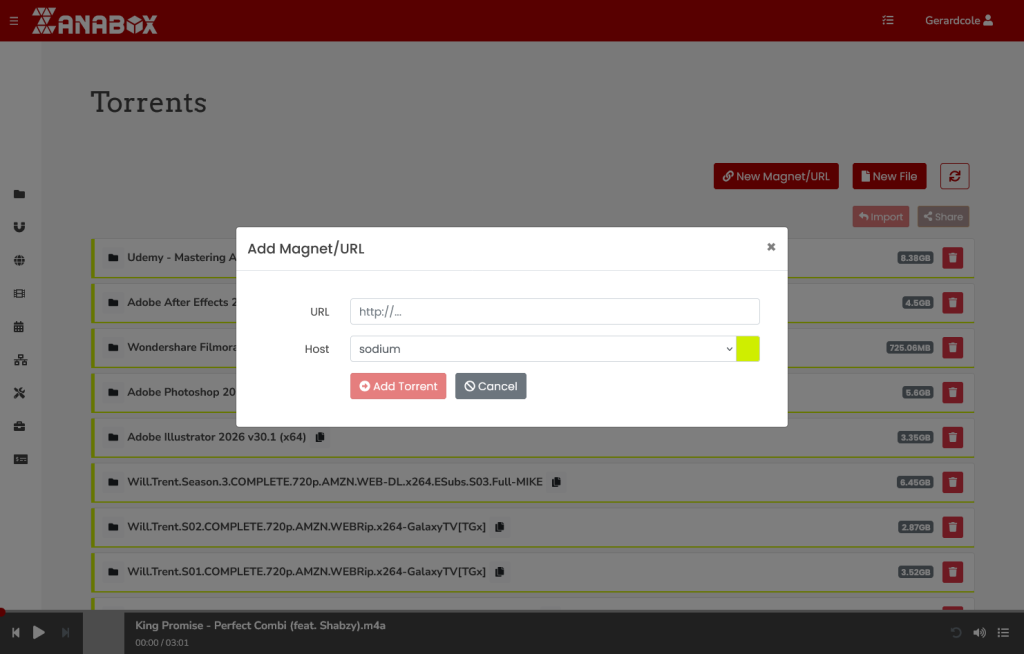
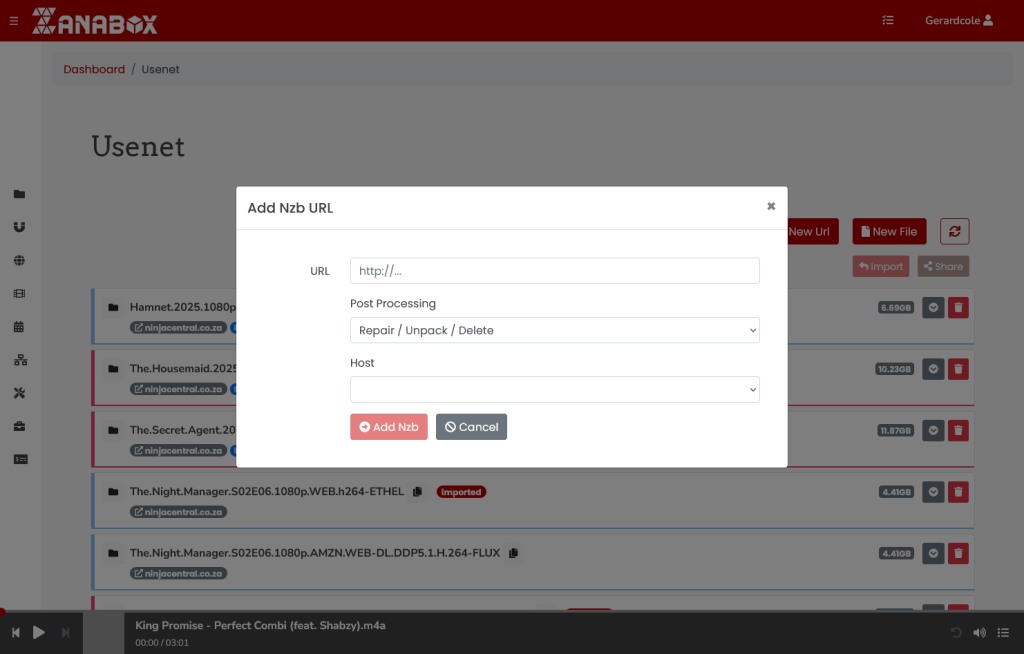
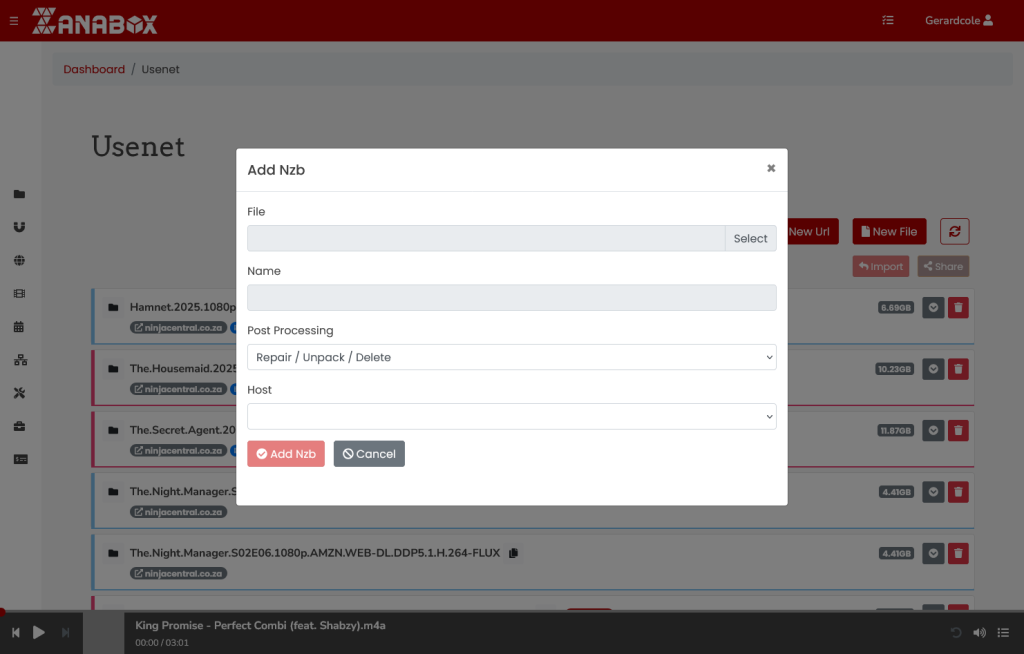
We developed a unified platform capable of ingesting content from Torrents, Usenet, direct URLs, remote storage providers, and local uploads, after which content passes through a standardized processing pipeline.
The platform automates key stages of the media lifecycle, including:
- Media transcoding and stream processing
- Thumbnail and preview generation
- Metadata extraction and enrichment
- Audio and video stream manipulation
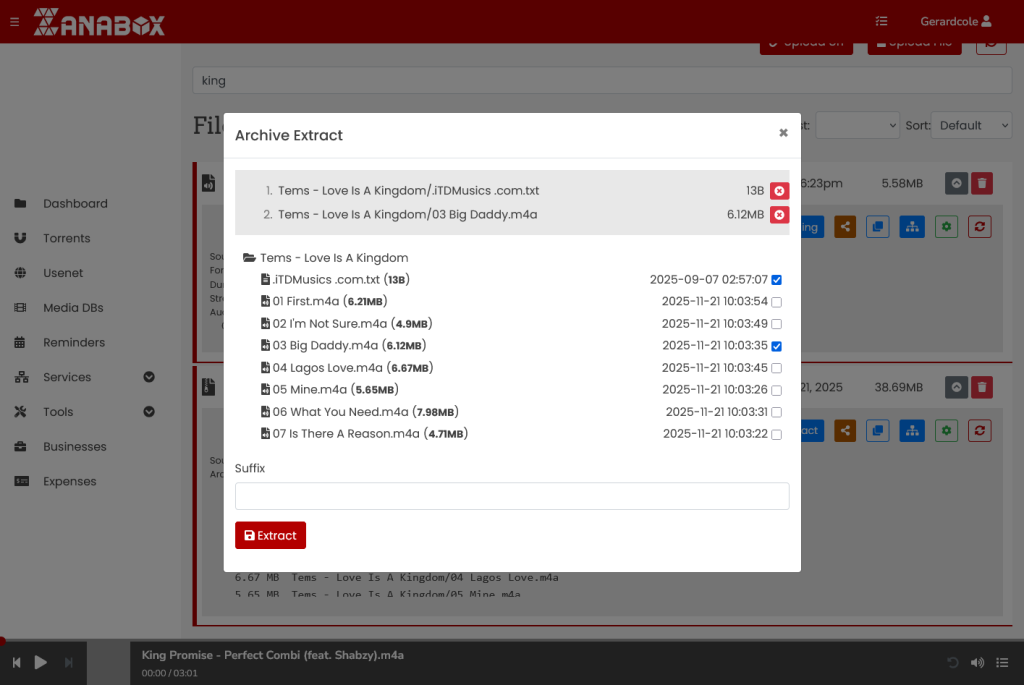
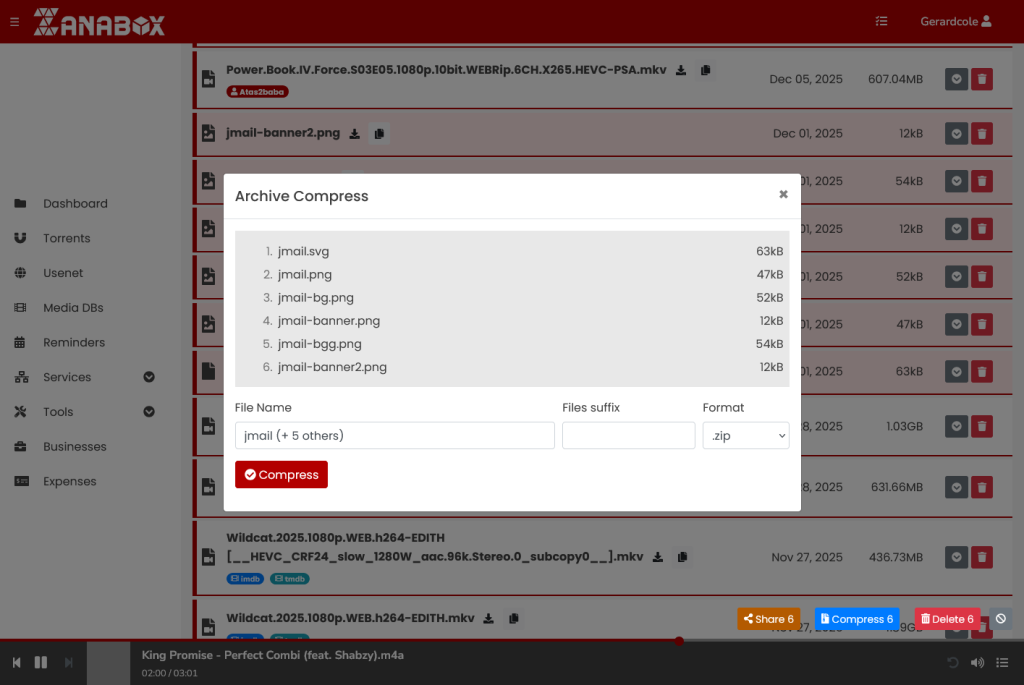
- Archive compression and extraction
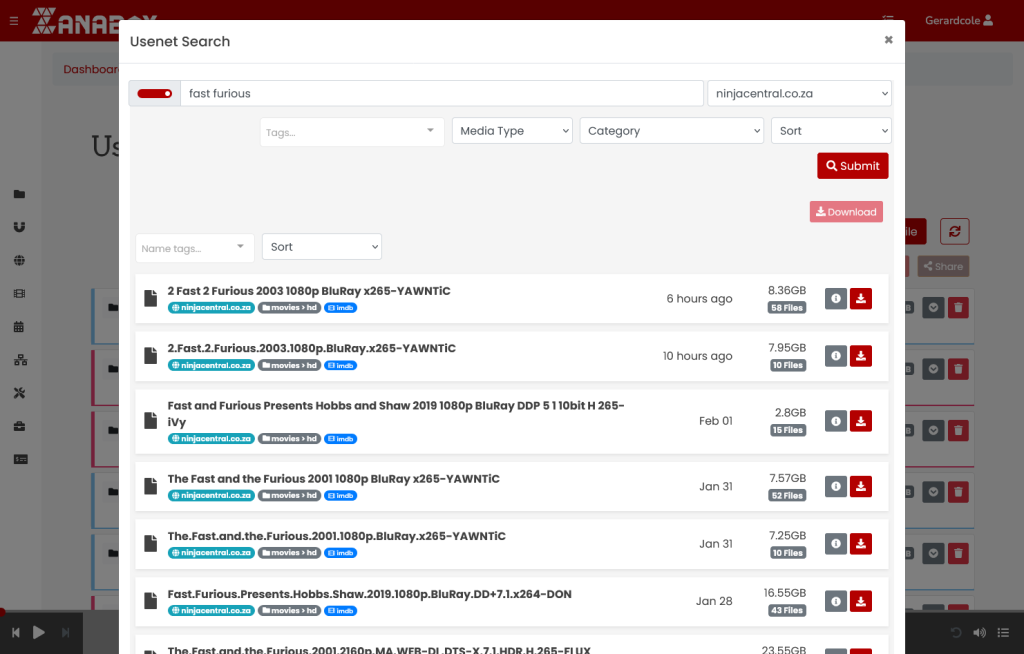
- Media library indexing and search
- Download management
- Multi-user access and collaboration
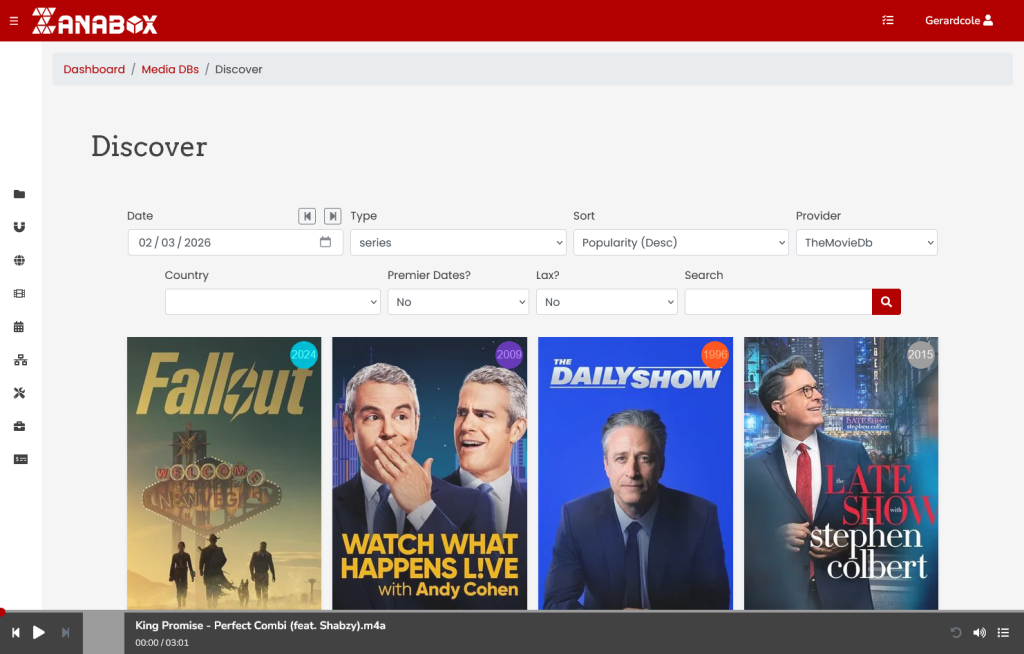
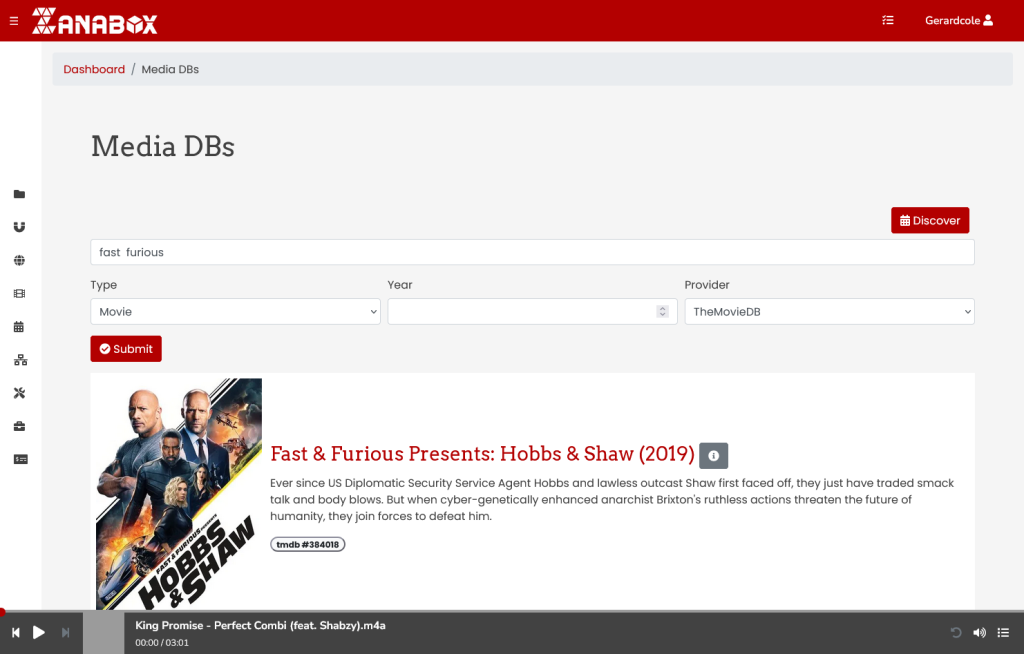
Third-party media APIs were integrated to automatically enrich files with information such as titles, descriptions, artwork, cast, and crew, reducing manual cataloguing.
3.0 Our Approach & Project Scope
High-Concurrency API
We engineered a centralized backend responsible for orchestrating the platform’s core services and coordinating high-volume requests.
Long-running and resource-intensive operations are delegated to background workers, keeping the application layer responsive while processing tasks execute independently.
Distributed Work Nodes
We implemented dedicated processing nodes for compute- and I/O-intensive operations, including:
- FFmpeg-based media transcoding
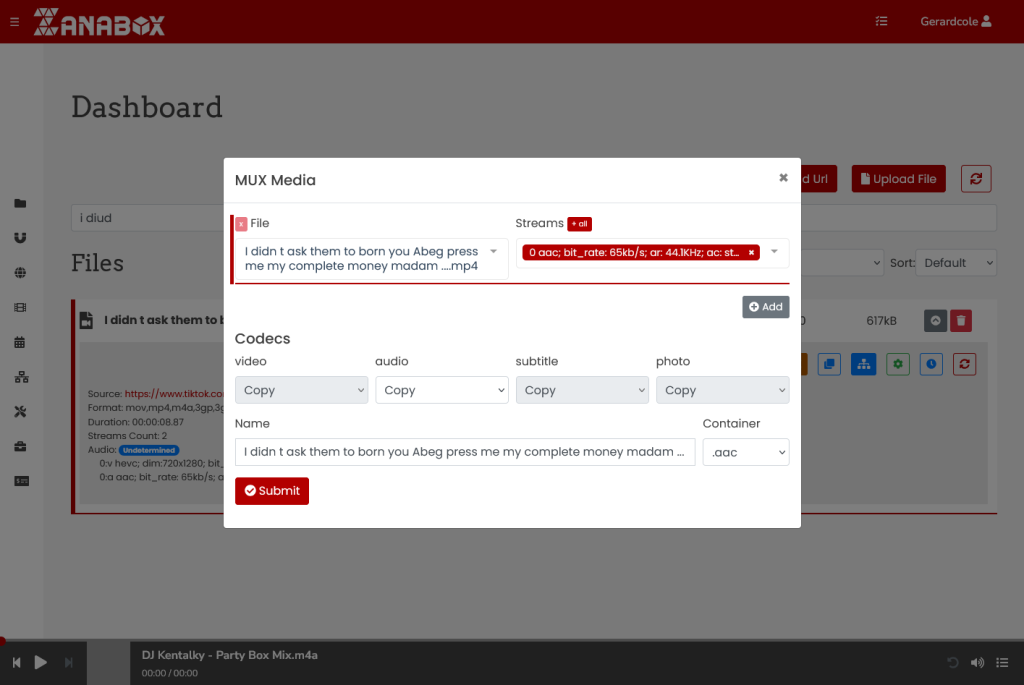
- Stream extraction and muxing
- Thumbnail generation
- Archive compression and extraction
- Media inspection and manipulation
- Background file processing
This separation allows processing resources to be managed independently from the main application.
Centralized Media Dashboard
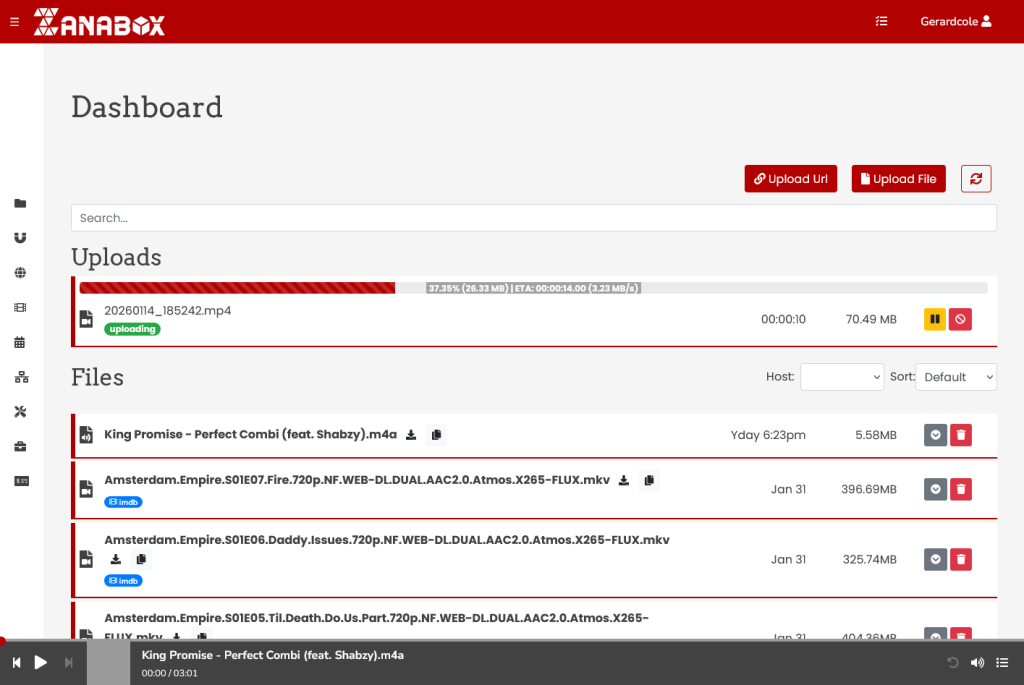
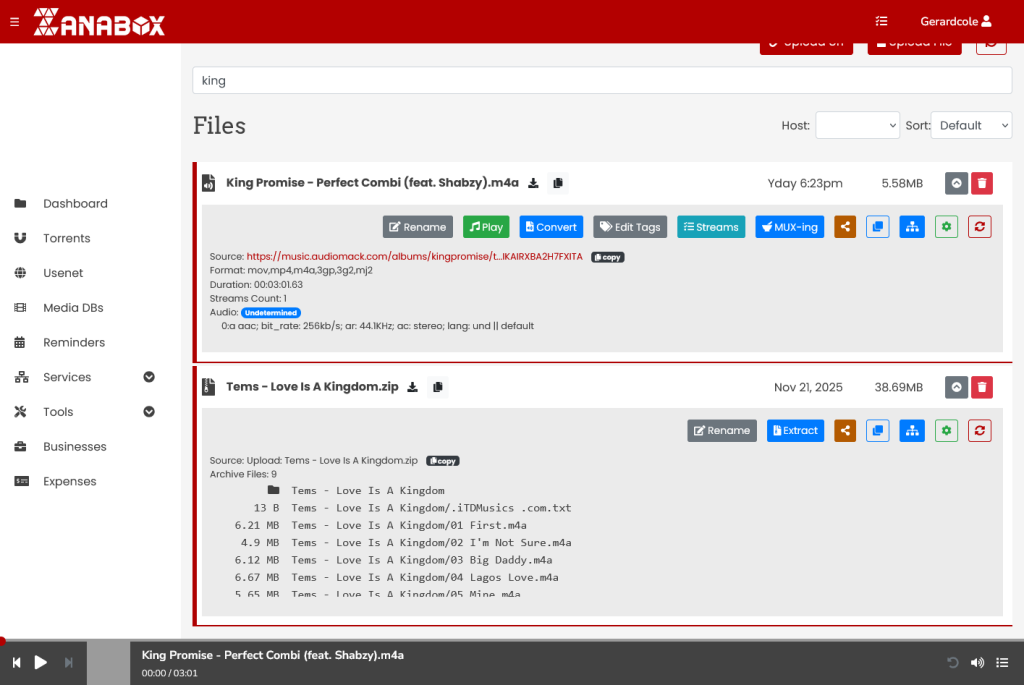
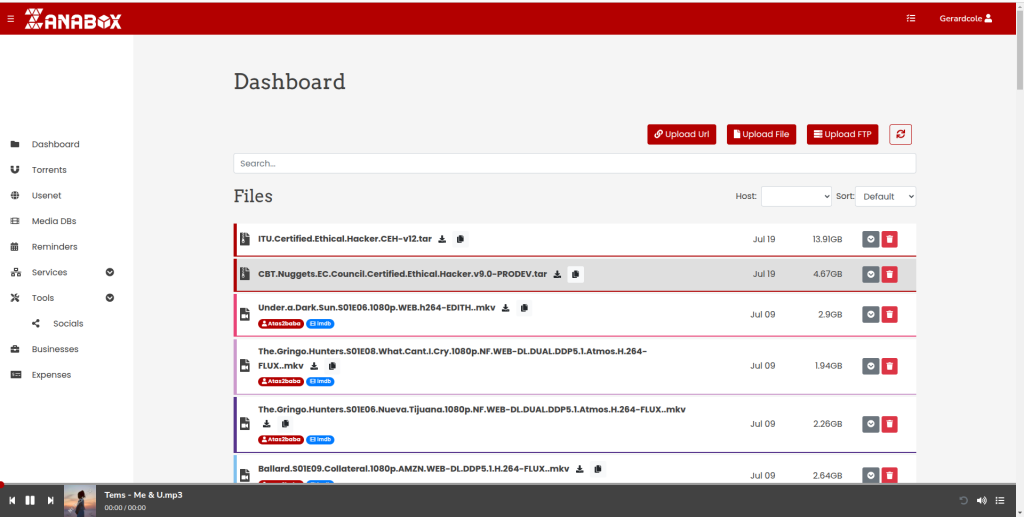
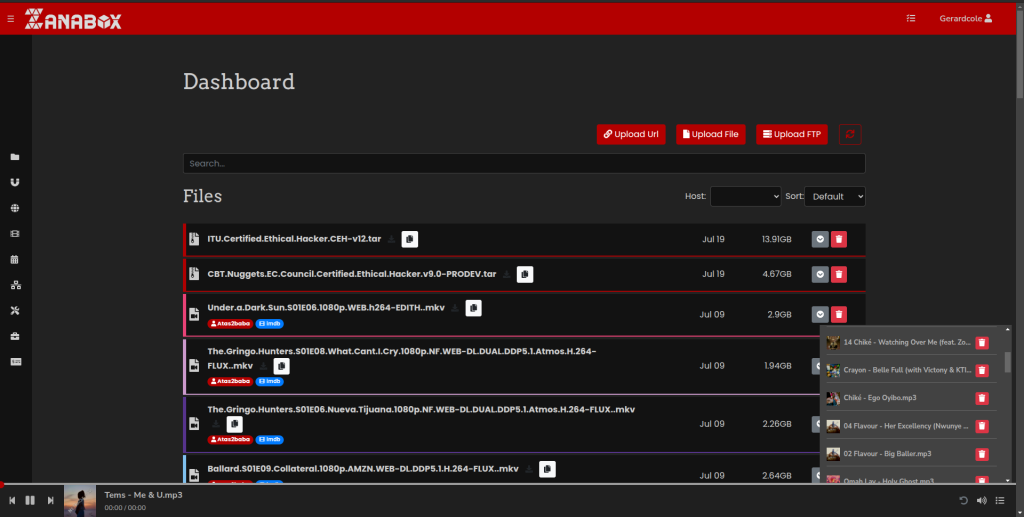
We developed a responsive web dashboard that brings the platform’s major operations into a single interface.
Users can manage files, monitor downloads, search media databases, initiate processing jobs, and preview media without switching between multiple applications.
Account Sharing & Access Control
We implemented an invitation-based collaboration and access-control system that enables users to share account capabilities without sharing passwords.
The system supports granular permissions across operations such as:
- View
- Create
- Update
- Manage
Users can also switch between authorized profiles while maintaining separation of permissions and account responsibilities.
Media Intelligence
We integrated external media databases to automatically enrich content with structured metadata, including:
- Titles
- Descriptions
- Posters and thumbnails
- Cast
- Crew
- Media classifications
This transforms raw media files into structured, searchable library assets.
4.0 Technical Architecture
We adopted a microservices-oriented distributed architecture to isolate compute-heavy operations from the primary application layer.
| Component | Technology | Role |
|---|---|---|
| Data Storage | MongoDB | Stores flexible media metadata, user profiles, and application data |
| In-Memory Store | Redis | Provides caching, task coordination, queues, and real-time state management |
| Search Engine | Elasticsearch | Provides fast search across large media libraries and metadata |
| Media Processing | FFmpeg / MKVToolNix | Handles transcoding, muxing, stream extraction, and media manipulation |
| Download Engines | SABnzbd / Transmission | Provides dedicated Usenet and Torrent acquisition capabilities |
| Application & Automation | PHP / Bash | Implements application logic and system-level automation |
| Frontend | NuxtJS / Vue.js | Provides a responsive web interface with Dark/Light theme support |
Architecture Principles
The architecture was built around several key principles:
- Workload isolation – compute-intensive operations are separated from API workloads.
- Asynchronous processing – long-running tasks execute in the background.
- Fault isolation – processing failures can be contained without disrupting the primary application.
- Extensibility – additional processing engines and storage providers can be integrated as requirements evolve.
- Independent resource management – application and media-processing resources can be managed separately.
5.0 Core Features
Hybrid Media Ingestion
The platform supports multiple acquisition methods, including:
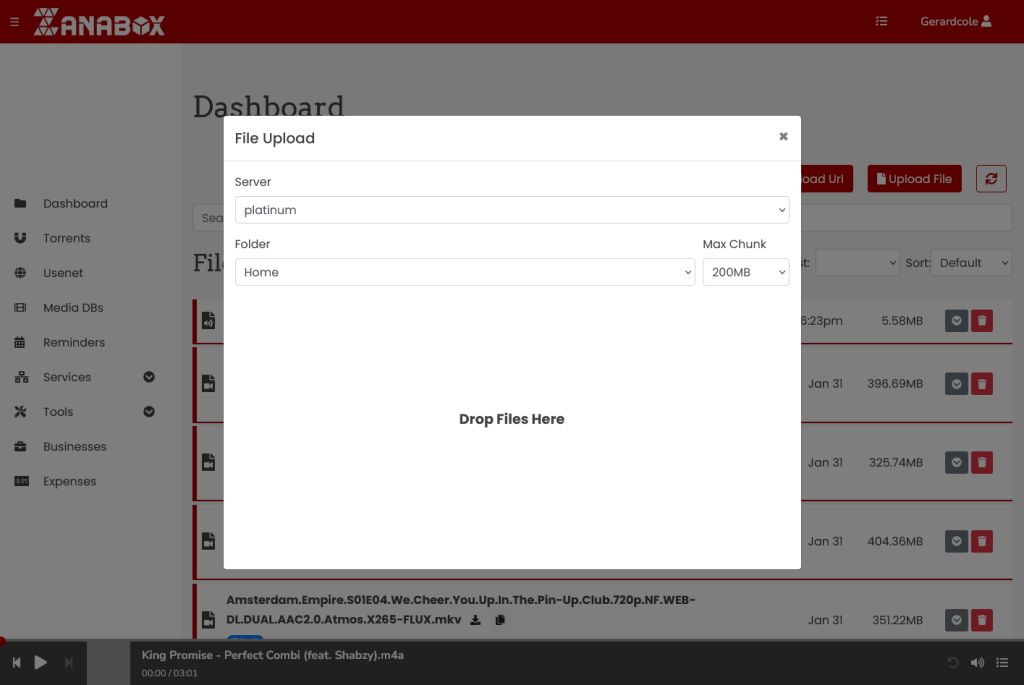
- Local file uploads
- Resumable uploads
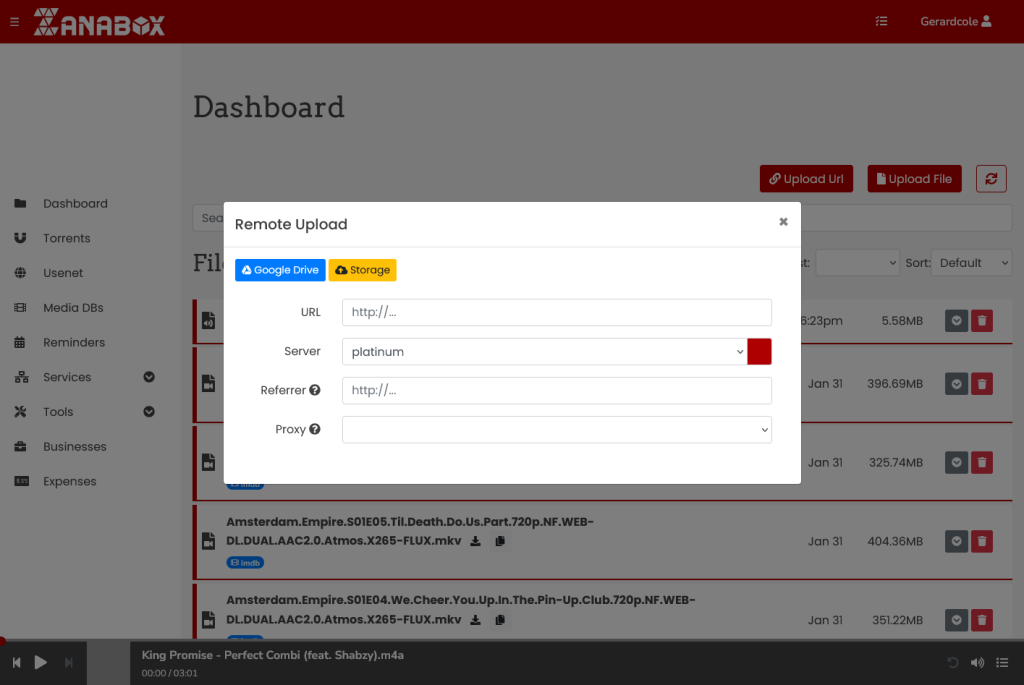
- Direct URL transfers
- Google Drive transfers
- Nextcloud transfers
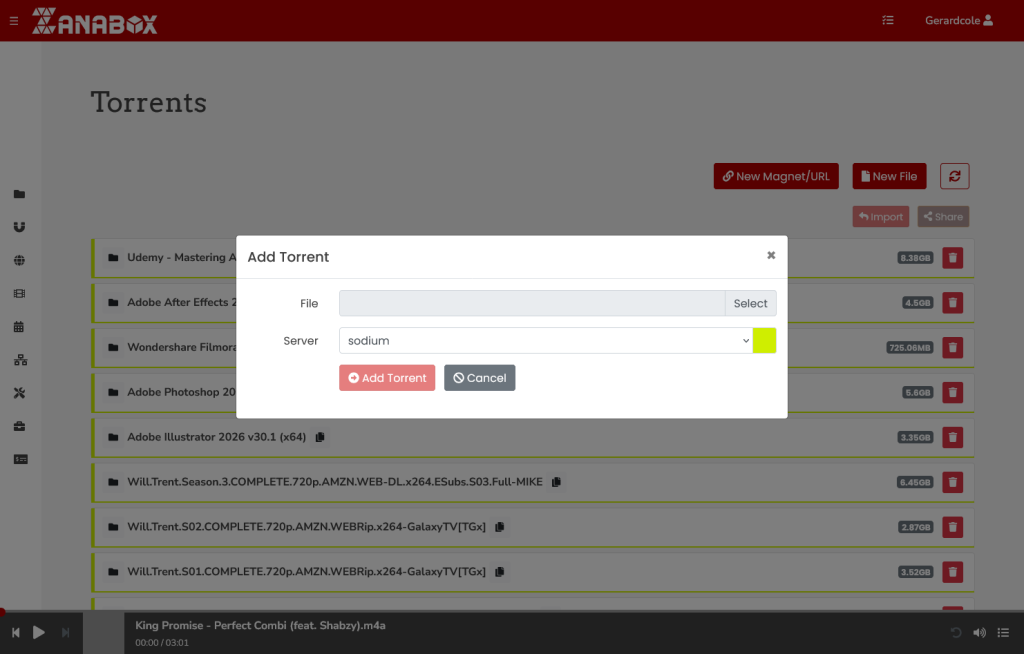
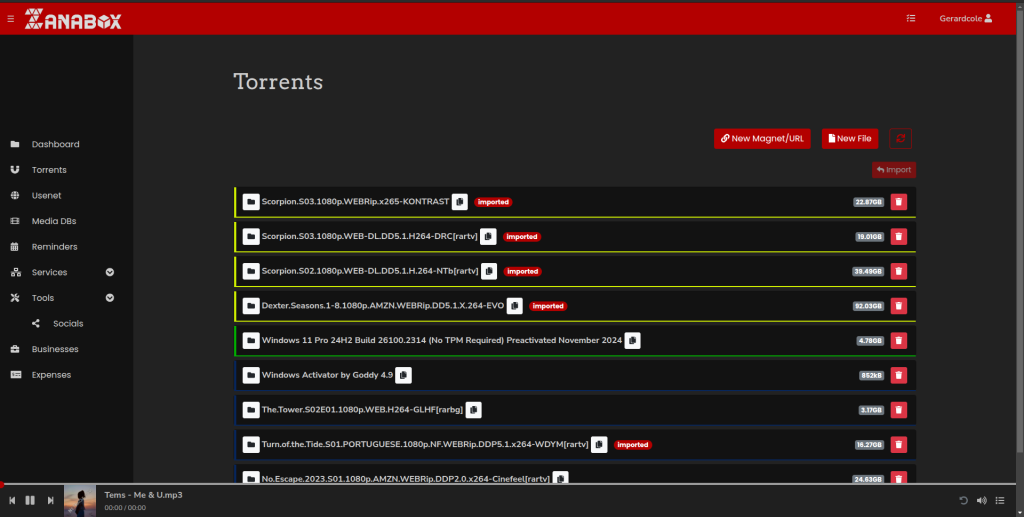
- Torrent downloads
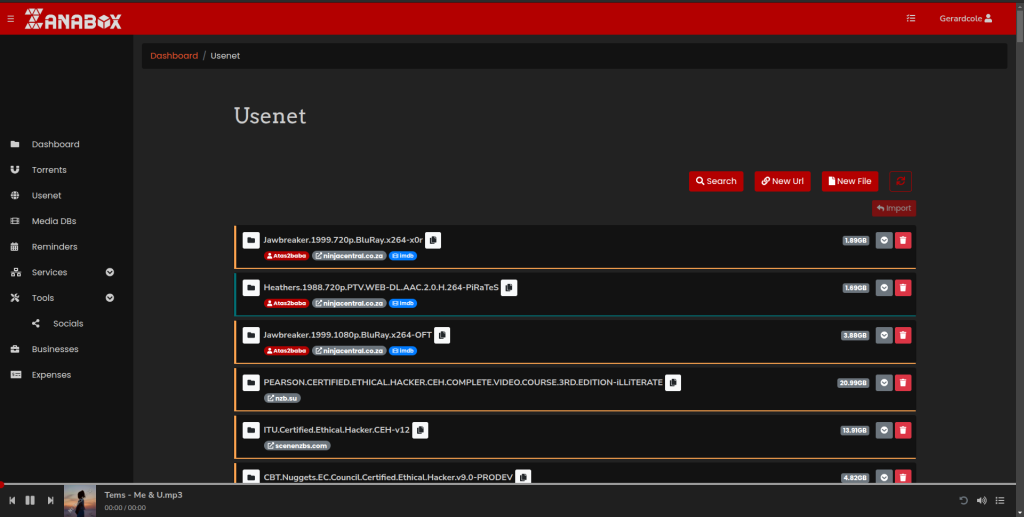
- Usenet downloads
This provides a single entry point for media regardless of its original source.
Media Laboratory
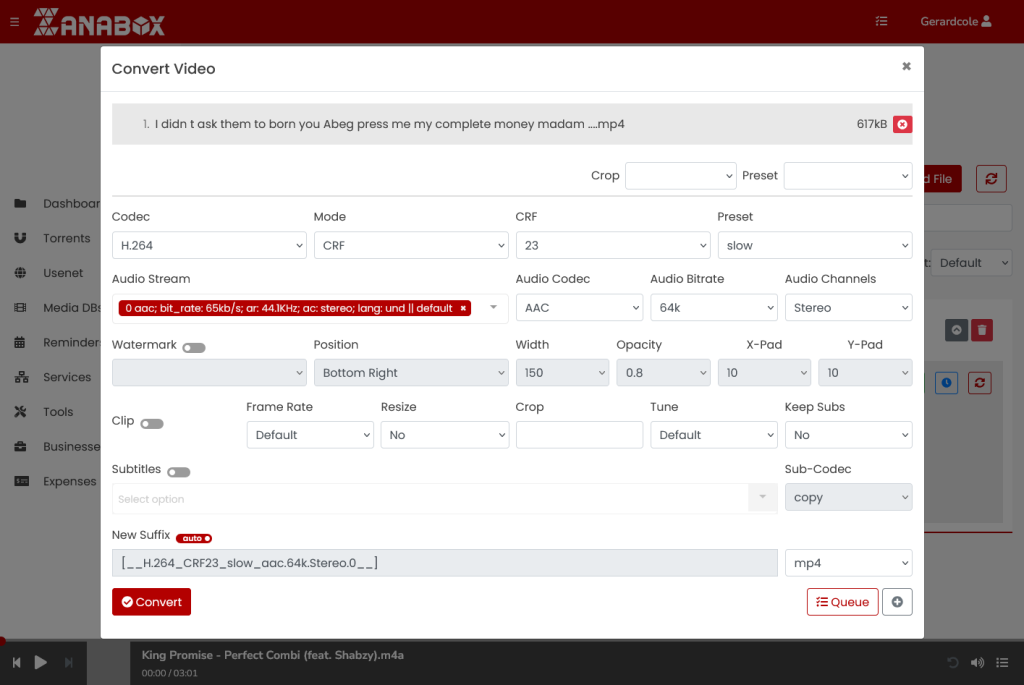
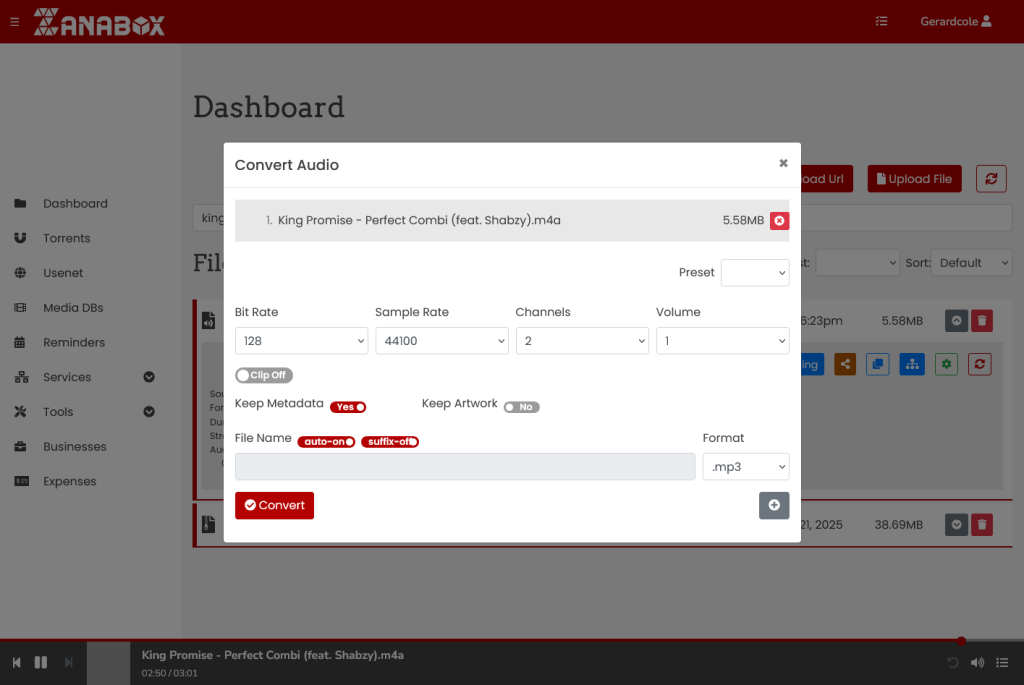
We built a dedicated media-processing environment supporting:
- Video transcoding
- Audio transcoding
- Thumbnail generation
- Stream extraction
- Stream muxing
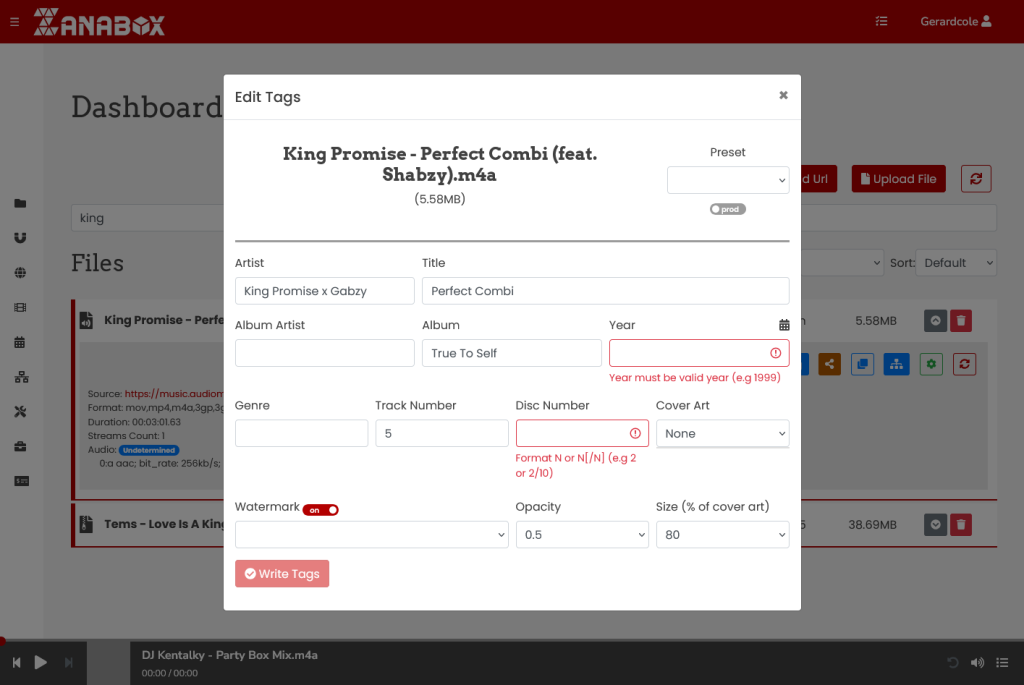
- ID3 metadata manipulation
- Matroska metadata manipulation
Archive Management
The platform provides integrated archive operations for compressing and extracting media in formats including:
- ZIP
- RAR
- 7z
Unified Download Management
Torrent and Usenet acquisition capabilities are integrated directly into the main application, allowing users to initiate and monitor downloads without leaving the platform.
Integrated Media Playback
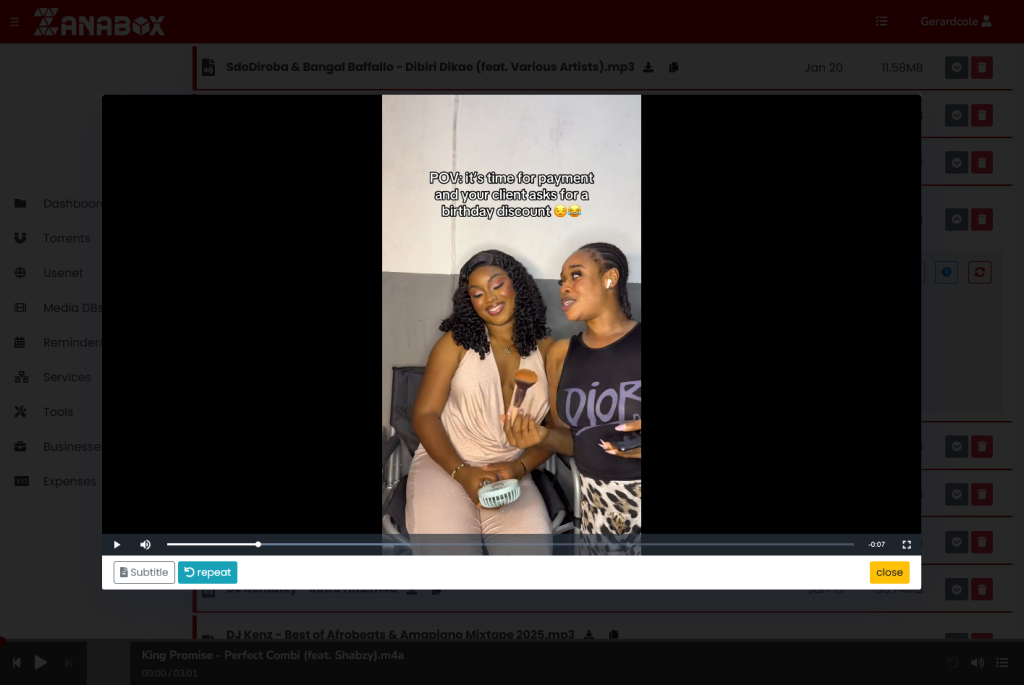
Native audio and video playback enables users to preview content directly from the media dashboard before downloading, processing, or organizing files.
Secure Collaboration
The account-sharing system enables controlled collaboration between users while maintaining permission boundaries.
Access can be granted according to specific capabilities rather than providing unrestricted account access.
6.0 Key Outcomes & Benefits
Unified Media Operations
Previously separate functions – including downloading, transcoding, metadata management, archive handling, and media playback – were consolidated into a single platform.
This simplified the overall media management workflow and reduced the need to operate multiple independent tools.
Improved Processing Efficiency
Background workers handle resource-intensive operations independently of the application layer, allowing multiple media-processing tasks to run without unnecessarily impacting the user-facing application.
Better Storage Utilization
Automated stream extraction, archive management, and media-processing workflows give users greater control over how content is stored and organized.
Enhanced User Experience
A responsive dashboard, integrated media playback, real-time task monitoring, and automated metadata enrichment provide users with a more cohesive media-management experience.
Operational Reliability
Resumable transfers, asynchronous processing, and isolated worker processes improve the platform’s ability to handle large files and long-running operations, including under unstable network conditions.
7.0 Delivery
We successfully designed, engineered, and deployed the platform within a two-month delivery window.
The resulting system provides a unified foundation for media acquisition, processing, organization, enrichment, and distribution.
Its modular architecture also provides clear separation between application services, data infrastructure, and media-processing workloads, making the platform easier to operate and extend.
The platform remains under active maintenance and continues to serve as the foundation for the client’s media and streaming operations.
8.0 Conclusion
This project demonstrates our ability to design and deliver complex, infrastructure-intensive platforms where media automation, distributed processing, reliability, and operational efficiency are critical.
By combining a responsive application layer with dedicated processing services and specialized media tools, we transformed a fragmented collection of media workflows into a cohesive platform.
The result is a flexible media infrastructure that provides the client with a centralized environment for managing the complete media lifecycle.
9.0 Screenshots